

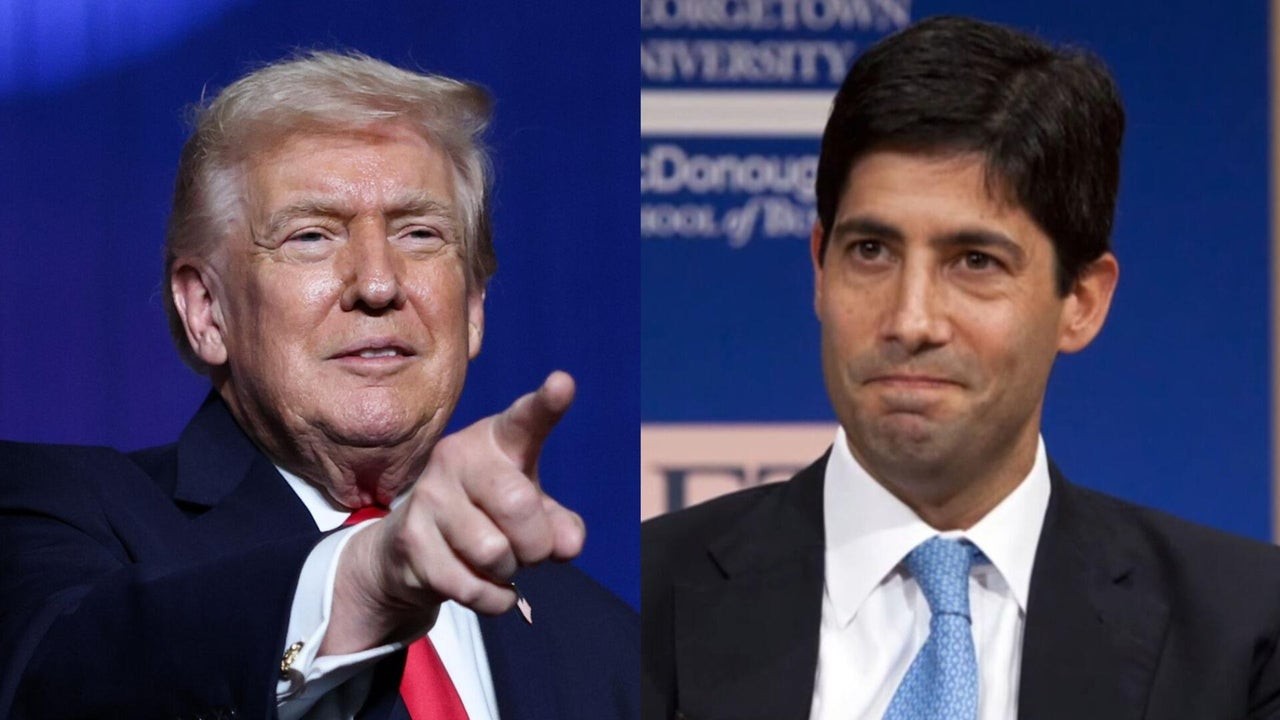
ทรัมป์กับวอร์ช: ชะตากรรมที่ผูกพันกันไว้ เมื่อประธานเฟดคนใหม่ต้องรับแรงกดดันทั้งการเมืองและตลาด
การเข้ารับตำแหน่งประธานธนาคารกลางสหรัฐ (เฟด) ของเควิน วอร์ช (Kevin Warsh) ในเดือนพฤษภาคม 2026 ไม่ใช่แค่การเปลี่ยนตัวบุคคล แต่คือการเปลี่ยนเกมการเงินครั้งใหญ่ที่ผูกชะตากรรมของประธานาธิบดีโดนัลด์ ทรัมป์ เข้ากับนโยบายการเงินของประเทศอย่างแยกไม่ออก จากเดิมที่เจอโรม พาวเวลล์ (Jerome Powell) ทำหน้าที่เป็น “แพะรับบาป” ให้กับปัญหาเศรษฐกิจที่อยู่นอกเหนือการควบคุมของเฟด ตอนนี้ทรัมป์ไม่มีใครให้โทษอีกแล้ว เพราะวอร์ชคือคนของเขา
การวิเคราะห์เชิงลึกจากแหล่งข่าวชั้นนำชี้ให้เห็นว่า แม้ทรัมป์จะได้ประธานเฟดที่ดูเหมือนจะยินดีลดดอกเบี้ยตามที่เขาต้องการ แต่ความจริงแล้ววอร์ชมีประวัติที่ไม่แน่นอน เขาเคยเป็นเหยี่ยวด้านเงินเฟ้อที่สนับสนุนการขึ้นดอกเบี้ย แต่กลับมาสนับสนุนการลดดอกเบี้ยตามแรงกดดันของทรัมป์ ความไม่สอดคล้องกันนี้สร้างความกังวลอย่างมากต่อนักลงทุนและนักเศรษฐศาสตร์
สิ่งที่นักลงทุนต้องจับตามองเป็นพิเศษคือ วอร์ชสนับสนุนรูปแบบการดำเนินนโยบายที่แตกต่างจากพาวเวลล์ โดย他强调要มีการถกเถียงอย่างเปิดเผยและเต็มไปด้วยความขัดแย้งในคณะกรรมการเฟด (FOMC) ซึ่งอาจนำไปสู่การตัดสินใจที่สร้างความประหลาดใจให้กับตลาดการเงิน โดยไม่ต้องพึ่งพา Forward Guidance อีกต่อไป การประชุมเฟดในเดือนเมษายน 2026 ที่ผ่านมา มีจำนวนกรรมการที่ไม่เห็นด้วยกับประธานมากที่สุดในรอบ 30 ปี สะท้อนให้เห็นว่า “สงครามภายในครอบครัว” ที่วอร์ชต้องการกำลังจะเกิดขึ้นจริงแล้ว
ประเด็นสำคัญที่ต้องติดตาม:
- ความน่าเชื่อถือของเฟดที่ถูกท้าทาย: การที่วอร์ชเปลี่ยนจุดยืนด้านนโยบายการเงินไปตามความต้องการของทรัมป์ ทำให้เกิดคำถามถึงความเป็นอิสระของเฟดนักลงทุนทั่วโลกกำลังตั้งคำถามว่าวอร์ชจะยืนหยัดต่อสู้กับเงินเฟ้อที่ยังคงสูงอยู่ได้มากน้อยแค่ไหน หรือจะยอมลดดอกเบี้ยเพื่อกระตุ้นเศรษฐกิจระยะสั้นตามคำสั่งของทำเนียบขาว
- ความเสี่ยงจากนโยบายที่คาดเดาไม่ได้: รูปแบบการบริหารที่เน้น “ครอบครัวทะเลาะกัน” และการไม่ส่งสัญญาณล่วงหน้า (Forward Guidance) จะเพิ่มความผันผวนในตลาดตราสารหนี้และตลาดหุ้นอย่างมหาศาล นักลงทุนที่ไม่คุ้นเคยกับความไม่แน่นอนแบบนี้จะต้องปรับกลยุทธ์การบริหารความเสี่ยงอย่างเร่งด่วน
- ปัญหาเงินเฟ้อที่ยังไม่จบ: ทรัมป์หาเสียงด้วยสัญญาว่าจะแก้ปัญหาราคาสินค้าที่แพงขึ้น แต่ความจริงคือ “ปัญหาค่าครองชีพและราคาที่สูงขึ้นจะไม่หายไปในอีกหลายปี” เช่นเดียวกับที่ริชาร์ด สเติร์น (Richard Stern) นักวิเคราะห์จาก Advancing American Freedom กล่าวไว้ ซึ่งหมายความว่าความท้าทายทางเศรษฐกิจนั้นอยู่นอกเหนืออำนาจของทั้งทรัมป์และวอร์ช
ข้อเสนอแนะเชิงกลยุทธ์:
- เตรียมรับมือกับความผันผวนของตลาดที่สูงขึ้น โดยเฉพาะในช่วงที่มีการประชุมเฟด เนื่องจากวอร์ชอาจสร้างเซอร์ไพรส์โดยไม่มีการส่งสัญญาณล่วงหน้า
- ติดตามอัตราเงินเฟ้อพื้นฐาน (Core Inflation) และข้อมูลตลาดแรงงานอย่างใกล้ชิด หากตัวเลขยังคงแข็งแกร่ง วอร์ชอาจถูกบีบให้ขึ้นดอกเบี้ยท่ามกลางแรงกดดันทางการเมือง
- กระจายการลงทุนไปยังสินทรัพย์ที่ป้องกันความเสี่ยงจากเงินเฟ้อ เช่น ทองคำ หรือพันธบัตรรัฐบาลที่ปรับตามเงินเฟ้อ (TIPS) เนื่องจากความไม่แน่นอนของนโยบายการเงินจะเพิ่มความเสี่ยงด้านกำลังซื้อ
การผูกชะตากรรมระหว่างทรัมป์และวอร์ชในครั้งนี้เป็นเดิมพันครั้งใหญ่ หากวอร์ชสามารถสร้างสมดุลระหว่างแรงกดดันทางการเมืองและความจำเป็นในการควบคุมเงินเฟ้อได้ เศรษฐกิจสหรัฐอาจเดินหน้าต่อไปอย่างราบรื่น แต่ถ้าเขาล้มเหลว ผลกระทบจะตกอยู่ที่ประธานาธิบดีทรัมป์โดยตรง และจะส่งคลื่นแผ่สะเทือนไปยังตลาดทุนทั่วโลก
English Translation:
The appointment of Kevin Warsh as Federal Reserve Chair in May 2026 is more than a personnel change; it is a major financial game-changer that inextricably ties President Donald Trump’s fate to the nation’s monetary policy. Previously, Jerome Powell served as a convenient “scapegoat” for economic issues beyond the Fed’s control. Now, Trump has no one to blame, because Warsh is his man.
In-depth analysis indicates that while Trump has secured a Fed Chair seemingly willing to cut rates as he desires, Warsh’s history is inconsistent. He was once a hawk on inflation advocating for rate hikes, but now supports the rate cuts pushed by Trump. This inconsistency is a major concern for investors and economists.
Investors must pay close attention to Warsh’s preferred style of policy implementation. He advocates for open, combative debates within the FOMC, potentially leading to decisions that surprise financial markets, abandoning the Forward Guidance approach. The April 2026 FOMC meeting saw the most dissenting votes in 30 years, indicating that the “family fight” Warsh desires is becoming a reality.
Key Watchpoints:
- Fed Credibility Under Challenge: Warsh’s policy shift to align with Trump raises serious questions about Fed independence. Global investors are questioning how strongly he will fight persistent inflation or if he will cut rates to provide short-term economic stimulus as ordered by the White House.
- Risk of Unpredictable Policy: A management style focused on “family fights” and abandoning Forward Guidance will dramatically increase volatility in bond and equity markets. Investors unfamiliar with this new uncertainty must urgently adjust their risk management strategies.
- Persistent Inflation Problem: Trump campaigned on fixing the cost-of-living crisis, but as Richard Stern of Advancing American Freedom noted, “the price increases and affordability problem won’t go away for many years.” This challenge is beyond the control of both Trump and Warsh.
Strategic Recommendations:
- Prepare for higher market volatility, especially around FOMC meetings, as Warsh may deliver surprises without prior signaling.
- Closely monitor Core Inflation and labor market data. If these remain strong, Warsh may be forced to raise rates despite political pressure.
- Diversify into inflation-hedging assets like gold or TIPS, as monetary policy uncertainty increases purchasing power risk.
This tying of fates between Trump and Warsh is a high-stakes gamble. If Warsh balances political pressure with the need to control inflation, the U.S. economy may proceed smoothly. If he fails, the consequences will fall directly on President Trump and send shockwaves through global capital markets.
Citation Link:
Reuters – Analysis: Trump and Warsh’s fates are now tied, for better or worse


Leave a Reply