

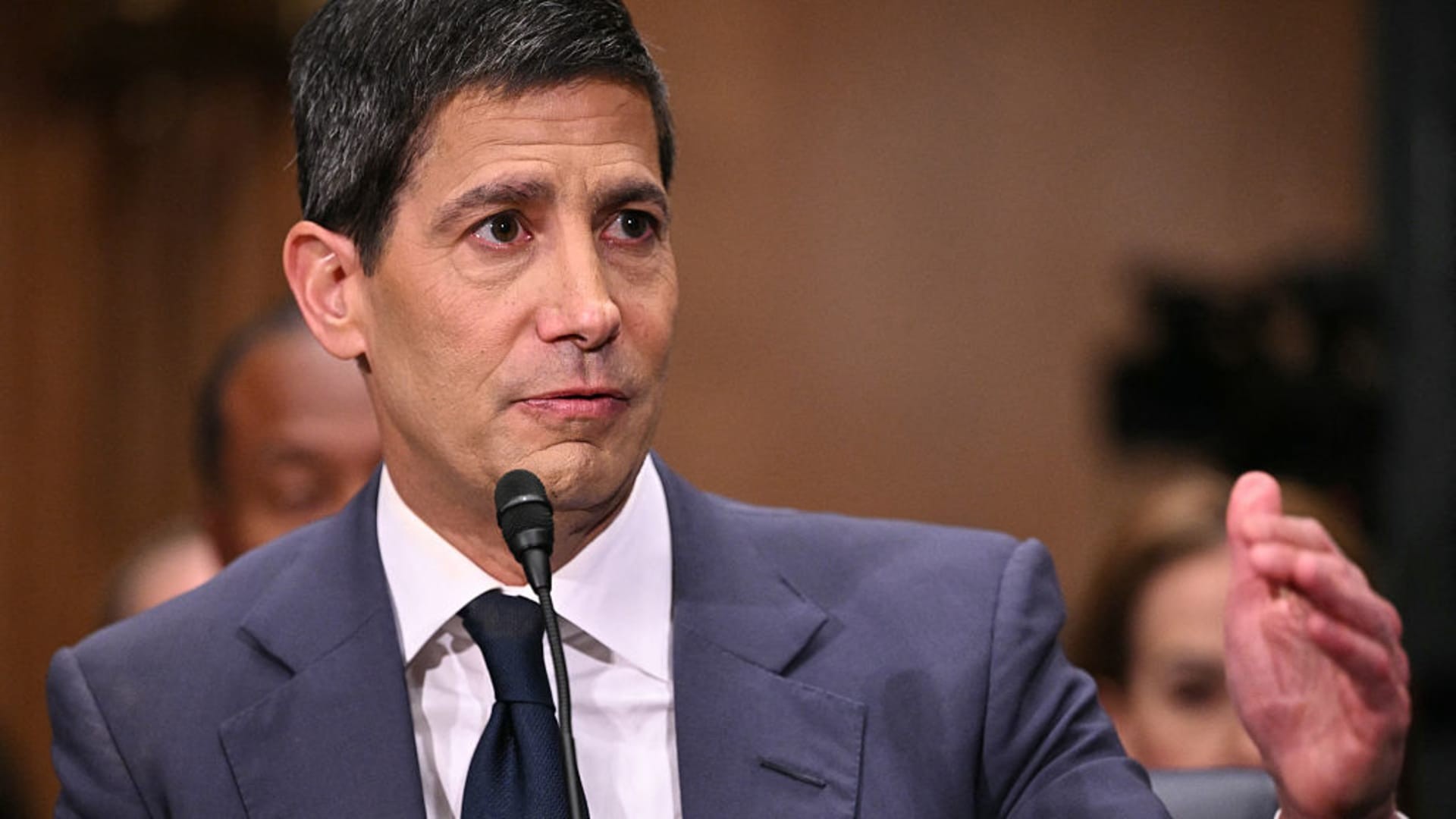
Kevin Warsh’s Fed Chairmanship: A Bond Market Wake-Up Call
When Kevin Warsh is expected to take the helm at the Federal Reserve, fixed-income investors may be caught off guard. The bond market, often overshadowed by stock rallies, could be the first to react through shifting treasury yields, duration risk, and credit spreads. With inflation still hovering above the Fed’s 2% target and rates steady between 3.50% and 3.75%, complacency in bond portfolios is dangerous.
Deep Dive Analysis: Why Fixed-Income Investors Should Pay Attention
The Fed Transition and Its Immediate Impact
Kevin Warsh’s likely confirmation as Fed chair signals a potential shift in monetary policy communication and execution. According to Paisley Nardini, managing director at Simplify Asset Management, “What is really important over the next several weeks is this changing of the guard at the Fed chair level.” Markets begin pricing in future policy moves even when no immediate change occurs.
- Treasury Yields: The 10-year yield has already moved sharply, currently above 4%. A new chair could alter the pace of rate cuts or hikes, affecting long-term bond prices.
- Duration Risk: Investors holding long-dated bonds expecting rate cuts may be vulnerable if cuts arrive late or not at all. Nardini warns, “The first major risk for bond investors is duration.”
- Credit Spreads: Corporate bond spreads remain relatively tight, but a change in Fed leadership could widen them as uncertainty rises.
Current Economic Backdrop
The Federal Reserve held rates steady at 3.50%–3.75% in its latest meeting. However, oil price surges from the U.S.-Iran war and persistent inflation (Core PCE at 3.2%) complicate policymaking. Fed Chair Jerome Powell noted that higher oil prices will likely persist, influencing long-term inflation expectations.
- Inflation: The Fed’s 2% target remains elusive, with PCE around 3.5% annually.
- Employment: The labor market remains strong, supporting the Fed’s dual mandate but delaying rate cuts.
- Market Sentiment: Bond traders are now betting against another rate cut in 2026, reflecting a hawkish shift.
Why Fixed-Income Portfolios Face Renewed Volatility
During Powell’s tenure, the Bloomberg US Aggregate Bond Index returned just under 2% annually, far below the historical average of 6.5% since the 1970s. Multiple shocks—Covid, Russia-Ukraine war, and the current U.S.-Iran conflict—pushed rates higher.
Nardini emphasizes: “In a portfolio, often times we forget about bonds until it is front and center and it is too late to react or adjust your portfolio accordingly.”
Key Risks:
1. Duration Overexposure: If the Fed delays cuts, long-dated bonds will suffer price declines.
2. Credit Deterioration: Corporate spreads may widen if the new Fed chair signals tighter policy.
3. Inflation Persistence: Sticky inflation could force the Fed to maintain higher rates for longer.
Investment Strategies for a Transition Period
- Shorten Duration: Shift to shorter-term bonds or floating-rate notes to reduce sensitivity to rate changes.
- Diversify Across Assets: Combine bonds with international equities or commodities to hedge against volatility.
- Monitor Fed Communication: Pay close attention to Warsh’s first speeches for clues on policy direction.
FAQ
1. How will Kevin Warsh’s Fed chairmanship affect bond yields?
Warsh’s leadership could change the Fed’s communication style and rate path. Markets may price in a more hawkish stance, pushing 10-year yields higher. Duration risk increases as investors reassess the timeline for rate cuts. (Source: CNBC ETF Edge)
2. What are the main risks for bond investors now?
The two chief risks are duration (longer-dated bonds losing value if cuts are delayed) and credit strength (corporate spreads potentially widening). Inflation staying above 3% also keeps pressure on the Fed to maintain tight policy.


Leave a Reply