

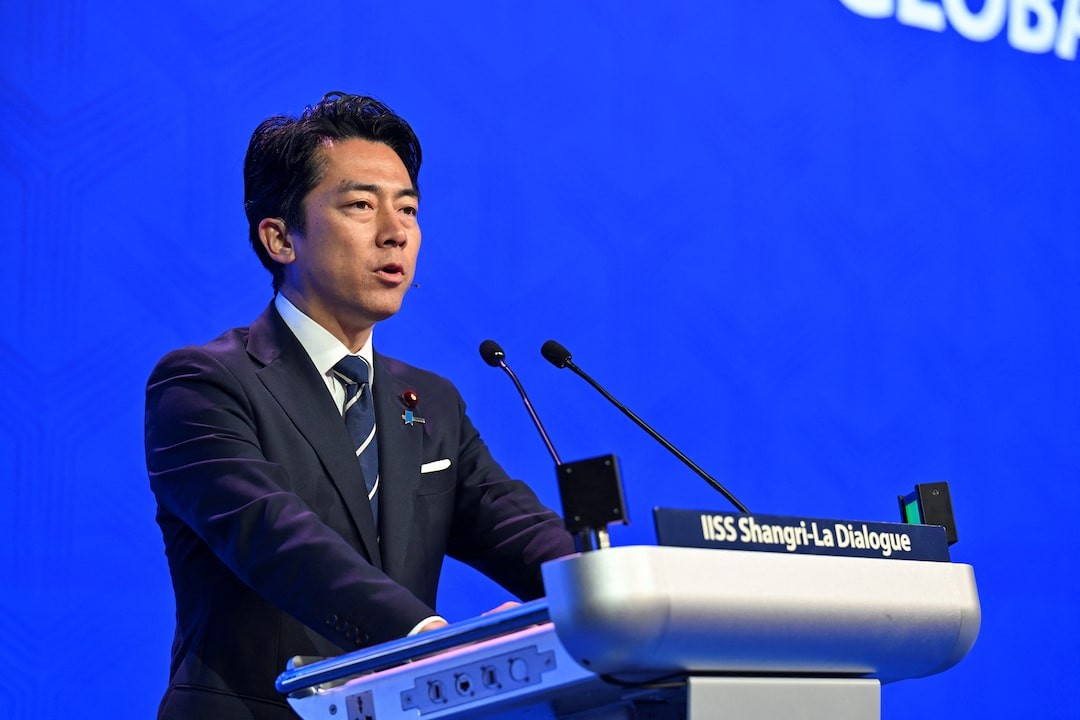
รัฐมนตรีกลาโหมญี่ปุ่น ชินจิโร โคอิซูมิ ปฏิเสธข้อกล่าวหาที่ว่า ญี่ปุ่นกำลังเดินหน้าไปสู่ “ลัทธิทหารใหม่” พร้อมกับกล่าวหาจีนว่าเร่งเพิ่มขีดความสามารถทางทหารโดยขาดความโปร่งใส ความตึงเครียดระหว่างสองมหาอำนาจในเอเชียกำลังเพิ่มสูงขึ้น ส่งผลกระทบต่อการเมืองโลกและแนวโน้มการลงทุนในภูมิภาค
บทวิเคราะห์เชิงลึก: ผลกระทบต่อการลงทุนและเศรษฐกิจ
การปะทะวาทกรรมระหว่างญี่ปุ่นและจีนครั้งนี้ ไม่ใช่เพียงเรื่องความมั่นคง แต่เป็นสัญญาณสำคัญที่นักลงทุนต้องจับตา การกล่าวหาซึ่งกันและกัน โดยเฉพาะในประเด็นด้านการทหาร สะท้อนถึงความสัมพันธ์ที่ตึงเครียดมากขึ้น ซึ่งอาจนำไปสู่ความไม่แน่นอนทางเศรษฐกิจและการเปลี่ยนแปลงในห่วงโซ่อุปทานของโลก
- ญี่ปุ่นชี้ว่าจีนใช้จ่ายด้านการป้องกันประเทศในระดับสูง ขณะที่จีนมองญี่ปุ่นว่าอาจหวนกลับไปสู่ลัทธิทหาร ซึ่งเป็นการโต้แย้งที่สร้างความกังวลต่อเสถียรภาพในภูมิภาคเอเชีย-แปซิฟิก
- ผลกระทบโดยตรงจะตกอยู่กับตลาดหุ้นและสกุลเงินในภูมิภาค โดยเฉพาะค่าเงินเยนและหยวน รวมถึงราคาสินค้าโภคภัณฑ์ที่ต้องพึ่งพาเส้นทางเดินเรือ
- อุตสาหกรรมเทคโนโลยีและเซมิคอนดักเตอร์ ซึ่งทั้งญี่ปุ่นและจีนเป็นผู้เล่นหลัก อาจเผชิญกับมาตรการกีดกันทางการค้าที่รุนแรงขึ้น
- ขณะเดียวกัน การใช้จ่ายด้านการทหารที่เพิ่มขึ้นของจีนอาจเป็นโอกาสสำหรับอุตสาหกรรมป้องกันประเทศของญี่ปุ่นและพันธมิตร
หากบทความนี้มีประโยชน์ อย่าลืมแชร์ต่อให้เพื่อนๆ นักลงทุนของคุณอ่านด้วยนะคะ!
English Translation:
Japan’s Defense Minister Shinjiro Koizumi refuted accusations that Japan is moving towards “new militarism” while accusing China of rapidly increasing military capabilities without transparency. Tensions between the two Asian powers are escalating, impacting global politics and investment trends in the region.
In-depth Analysis: Impact on Investment and Economy
This war of words between Japan and China is not just a security issue but a crucial signal for investors. The mutual accusations, especially on military matters, reflect growing tensions that could lead to economic uncertainty and shifts in global supply chains.
- Japan points to China’s high level of defense spending, while China views Japan as potentially reverting to militarism—a dispute creating concerns over stability in the Asia-Pacific region.
- Direct impacts will be felt in regional stock markets and currencies, particularly the Yen and Yuan, as well as commodity prices dependent on shipping routes.
- The technology and semiconductor industries, where both Japan and China are key players, may face more severe trade barriers.
- Meanwhile, increased military spending by China could present opportunities for the defense industries of Japan and its allies.


Leave a Reply