

เบื้องหลังการปรับโครงสร้างนโยบายการเงิน: บทวิเคราะห์เชิงลึกจากมุมมองนักลงทุน
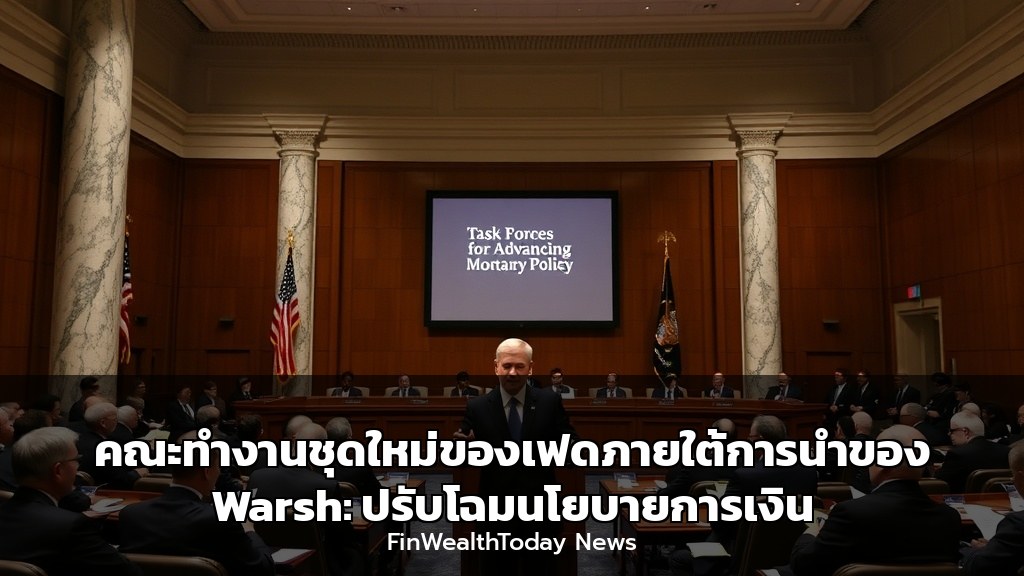
การประกาศจัดตั้งคณะทำงานเฉพาะกิจ (Task Forces) จำนวน 5 ชุด โดย Kevin Warsh ประธานธนาคารกลางสหรัฐฯ (เฟด) ถือเป็นสัญญาณที่ชัดเจนถึงการเปลี่ยนผ่านครั้งสำคัญของเฟดสู่ยุคใหม่ ที่เน้นความโปร่งใส การใช้ข้อมูลเชิงประจักษ์ และการปรับตัวให้ทันต่อเทคโนโลยี
จากรายงานของ Goldman Sachs และ AllianceBernstein การเคลื่อนไหวครั้งนี้ถูกตีความว่าเป็น “นโยบายสายเหยี่ยว” (Hawkish) ในระยะสั้น เนื่องจาก Warsh ย้ำถึงเป้าหมายเงินเฟ้อ 2.0% อย่างแข็งขัน ซึ่งเพิ่มโอกาสที่ดอกเบี้ยจะปรับขึ้นมากกว่าปรับลด
ประเด็นสำคัญที่นักลงทุนต้องติดตาม
-
คณะทำงานด้านการสื่อสาร (Communications): การลดการใช้ Forward Guidance และการยกเลิก Dot Plot ของ Warsh บ่งชี้ว่าเฟดจะให้อิสระแก่ตลาดในการกำหนดราคามากขึ้น ซึ่งอาจเพิ่มความผันผวนในระยะสั้นแต่จะทำให้ตลาดมีประสิทธิภาพในระยะยาว
-
คณะทำงานด้านนโยบายงบดุล (Balance Sheet Policy): การทบทวนต้นทุนและผลประโยชน์ของงบดุลขนาดใหญ่ จะส่งผลโดยตรงต่อสภาพคล่องในระบบ ซึ่งเป็นปัจจัยสำคัญที่ขับเคลื่อนราคาสินทรัพย์เสี่ยงอย่าง Bitcoin และคริปโตโดยรวม
-
คณะทำงานด้านข้อมูล (Data): การปรับปรุงคุณภาพและความรวดเร็วของข้อมูลเศรษฐกิจจริง จะช่วยให้เฟดตัดสินใจได้แม่นยำขึ้น ลดความผิดพลาดจาก “Lagging Indicators” ที่มักทำให้ตลาดผันผวน
-
คณะทำงานด้าน Productivity และ Jobs: การประเมินผลกระทบของ AI และเทคโนโลยีใหม่ต่อผลิตภาพแรงงาน เป็นปัจจัยระยะยาวที่จะกำหนดศักยภาพการเติบโตของเศรษฐกิจสหรัฐฯ และส่งผลต่อมูลค่าที่แท้จริงของสินทรัพย์ดิจิทัล
-
คณะทำงานด้านกรอบเงินเฟ้อ (Inflation Frameworks): การปรับโฟกัสจาก Demand-Side สู่ Supply-Side อาจเปลี่ยนวิธีที่เฟดตอบสนองต่อเงินเฟ้อในอนาคต ซึ่งจะกระทบต่อกลยุทธ์การบริหารพอร์ตการลงทุนในสินทรัพย์ทุกประเภท
กลยุทธ์การจัดการ财富ส่วนบุคคล
- ลดการพึ่งพา Forward Guidance: หันมาใช้การวิเคราะห์ข้อมูลเศรษฐกิจในแบบ Real-time มากขึ้น
- เพิ่มน้ำหนักพอร์ตสินทรัพย์ที่ป้องกันความผันผวน: เช่น ทองคำหรือ Stablecoin ที่มีเสถียรภาพ
- ติดตามผลงานของ Task Forces อย่างใกล้ชิด: โดยเฉพาะด้าน Data และ Communications ซึ่งจะมีผลต่อนโยบายในระยะ 6-12 เดือนข้างหน้า
Full English Translation
The establishment of five Task Forces by Federal Reserve Chairman Kevin Warsh marks a significant transition toward a new era focused on transparency, empirical data, and technological adaptation. According to reports from Goldman Sachs and AllianceBernstein, this move is interpreted as “Hawkish” in the short term, as Warsh firmly reiterated the 2.0% inflation target, increasing the probability of rate hikes over rate cuts.
Key Takeaways for Investors
- Communications Task Force: The reduction of Forward Guidance and Warsh’s abandonment of the Dot Plot indicate the Fed will give markets more pricing freedom, potentially increasing short-term volatility but improving long-term market efficiency.
- Balance Sheet Policy Task Force: A review of the costs and benefits of the large balance sheet will directly impact system liquidity, a key driver for risk assets like Bitcoin and crypto.
- Data Task Force: Improving the quality and timeliness of real economic data will help the Fed make more accurate decisions, reducing errors from lagging indicators that cause market volatility.
- Productivity and Jobs Task Force: Assessing the impact of AI and new technologies on labor productivity is a long-term factor determining U.S. growth potential and the intrinsic value of digital assets.
- Inflation Frameworks Task Force: Shifting focus from Demand-Side to Supply-Side could change how the Fed responds to future inflation, affecting portfolio management strategies across all asset classes.
Personal Wealth Management Strategies
- Reduce reliance on Forward Guidance; pivot to Real-time economic data analysis.
- Increase portfolio allocation to volatility-hedging assets such as gold or stablecoins.
- Closely monitor Task Force outcomes, especially Data and Communications, which will impact policy over the next 6-12 months.
Citation: Goldman previews Warsh’s Task Forces for Advancing Monetary Policy


Leave a Reply