

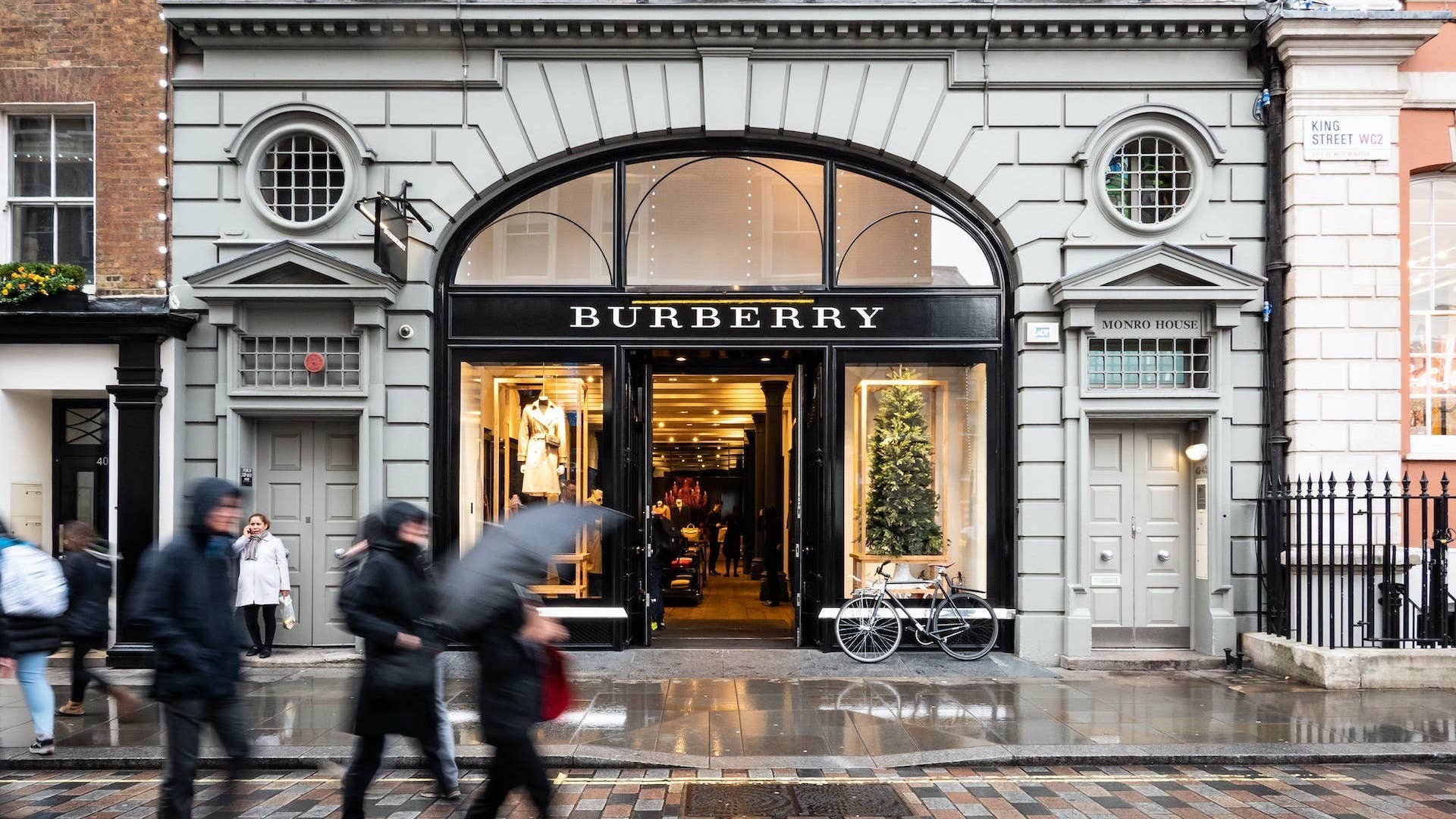
เบอร์เบอร์รี (Burberry) แบรนด์แฟชั่นหรูสัญชาติอังกฤษอายุ 170 ปี ประกาศปิดตัว 21 สาขาทั่วโลกในปีงบประมาณ 2026 พร้อมเปิดใหม่เพียง 9 สาขา ส่งผลให้จำนวนร้านรวมทั้งสิ้น 410 แห่ง ณ สิ้นเดือนมีนาคม 2026 การปรับโครงสร้างครั้งนี้เป็นส่วนหนึ่งของกลยุทธ์เชิงรุกในการเพิ่มประสิทธิภาพการดำเนินงานและลดต้นทุน ท่ามกลางแรงกดดันจากความไม่แน่นอนทางภูมิรัฐศาสตร์และเศรษฐกิจมหภาคที่ส่งผลกระทบต่อกำลังซื้อในตลาดหรู
มุมวิเคราะห์เชิงลึก: บทเรียนการลงทุนจากวิกฤตเบอร์เบอร์รี
การตัดสินใจครั้งนี้ของเบอร์เบอร์รีไม่ได้เป็นเพียงข่าวคราวของอุตสาหกรรมแฟชั่นเท่านั้น แต่เป็นสัญญาณสำคัญที่นักลงทุนในตลาดทุนและสินทรัพย์ดิจิทัลไม่ควรมองข้าม
- การเปลี่ยนแปลงของโมเดลธุรกิจค้าปลีก (Retail Evolution): เบอร์เบอร์รีกำลังเปลี่ยนจากโมเดล “หน้าร้านเยอะ” ไปสู่ “คุณภาพของหน้าร้าน” และ “พาร์ทเนอร์เชิงกลยุทธ์” การปิดสาขาที่ขาดทุนแล้วหันไปร่วมมือกับห้างสรรพสินค้าชั้นนำเช่น Saks, Bloomingdale’s และ Nordstrom สะท้อนถึงแนวคิด Asset-Light หรือการลดภาระสินทรัพย์ถาวร ซึ่งเป็นแนวทางเดียวกับที่บริษัทเทคโนโลยีและคริปโตหลายแห่งใช้เพื่อเพิ่มความยืดหยุ่นทางการเงิน
- ความสัมพันธ์กับเศรษฐกิจมหภาค (Macro Sensitivity): คำเตือนของ CEO เกี่ยวกับ “ความตึงเครียดทางภูมิรัฐศาสตร์” และ “ความไม่แน่นอนของเศรษฐกิจ” เป็นปัจจัยที่กดดัน Consumer Confidence (ความเชื่อมั่นของผู้บริโภค) ซึ่งเป็นตัวชี้วัดสำคัญที่นักเทรดคริปโตและหุ้นใช้คาดการณ์แนวโน้มตลาด เมื่อคนรวยเริ่มประหยัด แสดงว่าสภาพคล่องในตลาดหรูเริ่มลดลง มักเป็นสัญญาณนำของตลาดหุ้นขาลงหรือการเทขายสินทรัพย์เสี่ยง
- ประสิทธิภาพและการควบคุมต้นทุน (Efficiency & Cost Control): เบอร์เบอร์รีสามารถประหยัดต้นทุนได้ 80 ล้านปอนด์ในปีนี้ และตั้งเป้าประหยัดถึง 100 ล้านปอนด์ต่อปีภายในปี 2027 ซึ่งส่งผลให้กำไรจากการดำเนินงานปรับตัวดีขึ้นเป็น 160 ล้านปอนด์ นี่คือบทเรียนคลาสสิกของ การบริหารเงินทุน (Capital Management) ในภาวะเศรษฐกิจฝืดเคือง: การตัดสิ่งที่ไม่จำเป็นออกไปเป็นหนทางที่ดีที่สุดในการรักษาและสร้างมูลค่าให้กับบริษัท
- แนวโน้มของอุตสาหกรรมแฟชั่นหรู (Luxury Fashion Trend): การปิดสาขาของ Kering (แบรนด์ในเครือ Gucci, Yves Saint Laurent) จำนวนมากกว่า 133 แห่งในปี 2025 และ Ferragamo ที่เตรียมปิดอีก 70 แห่ง บ่งชี้ว่า ตลาดหรูกำลังหดตัวหรือปรับฐาน (Correction) นักลงทุนจึงควรระมัดระวังการลงทุนในกลุ่มสินค้าฟุ่มเฟือยระยะสั้นถึงกลาง
Key Takeaways สำหรับนักลงทุน
- ลดความเสี่ยงในกลุ่ม Luxury Stock: ถือเป็นสัญญาณลบชัดเจนสำหรับหุ้นกลุ่มค้าปลีกหรู ให้ติดตามผลประกอบการไตรมาสถัดไปของแบรนด์ใหญ่อย่าง LVMH และ Kering อย่างใกล้ชิด
- โมเดลธุรกิจแบบใหม่มีโอกาส: การที่เบอร์เบอร์รีหันมาใช้ DTC (Direct-to-Consumer) ผสมกับ Wholesale อย่างชาญฉลาด อาจเป็นแนวทางที่แบรนด์อื่นๆ ทำตาม ซึ่งเปิดโอกาสให้กับหุ้นในกลุ่ม Retail Tech และ Logistics
- สัญญาณจากตลาดคริปโต? เมื่อตลาดสินทรัพย์แบบดั้งเดิม (Traditional Finance) อย่างหุ้นหรูเริ่มชะลอตัว สภาพคล่องบางส่วนอาจไหลเข้าสู่สินทรัพย์ทางเลือก (Alternative Assets) เช่น Bitcoin หรือ Gold ในระยะสั้น เพื่อเป็นการป้องกันความเสี่ยง (Hedge)
อัปเดตข่าวสารการเงินและการลงทุนที่น่าสนใจก่อนใครได้ที่ FinWealthToday.com
Full English Translation
Burberry Closes 21 Stores Worldwide Amid Major Restructuring Plan
Burberry, the 170-year-old British luxury fashion house, announced the closure of 21 stores worldwide in fiscal 2026, while opening only 9 new locations. This brings the total store count to 410 as of March 2026. This restructuring is part of an aggressive strategy to improve operational efficiency and reduce costs amid geopolitical tensions and macroeconomic instability pressuring purchasing power in luxury markets.
Deep Investment Analysis: Lessons from the Burberry Crisis
This decision by Burberry is not just fashion industry news; it’s a critical signal that investors in capital markets and digital assets should not ignore.
- Retail Business Model Evolution: Burberry is shifting from a “many stores” model to a “store quality” and “strategic partnership” model. Closing unprofitable locations and partnering with high-end department stores reflects an Asset-Light approach, similar to what many tech and crypto companies use to increase financial flexibility.
- Macro Sensitivity: The CEO’s warning about “geopolitical tensions” and “macroeconomic uncertainty” directly pressures Consumer Confidence. This is a key indicator for crypto and stock traders. When the wealthy start saving, it often signals a leading indicator for bearish stock markets or risk-asset sell-offs.
- Efficiency and Cost Control: Burberry saved £80 million this year and aims for £100 million in annual savings by 2027, leading to improved operating profit of £160 million. This is a classic lesson in Capital Management during economic hardship: cutting non-essentials is the best way to maintain and create company value.
- Luxury Fashion Industry Trend: The closure of over 133 stores by Kering and the planned closures by Ferragamo indicate that the luxury market is contracting or correcting. Investors should be cautious about short-to-medium-term investments in the luxury goods sector.
Key Takeaways for Investors
- Reduce Risk in Luxury Stocks: This is a clear negative signal for retail luxury stocks. Closely monitor the upcoming quarterly results of major brands like LVMH and Kering.
- New Business Models Offer Opportunities: Burberry’s smart blend of DTC (Direct-to-Consumer) and Wholesale could become a model for other brands, opening opportunities for Retail Tech and Logistics stocks.
- Signals for the Crypto Market? When traditional assets like luxury stocks slow down, some liquidity may flow into alternative assets like Bitcoin or Gold in the short term as a hedge against risk.
Stay updated with the latest finance and investment news at FinWealthToday.com
Citation:
https://www.aol.com/articles/170-old-luxury-fashion-retailer-223700000.html


Leave a Reply