

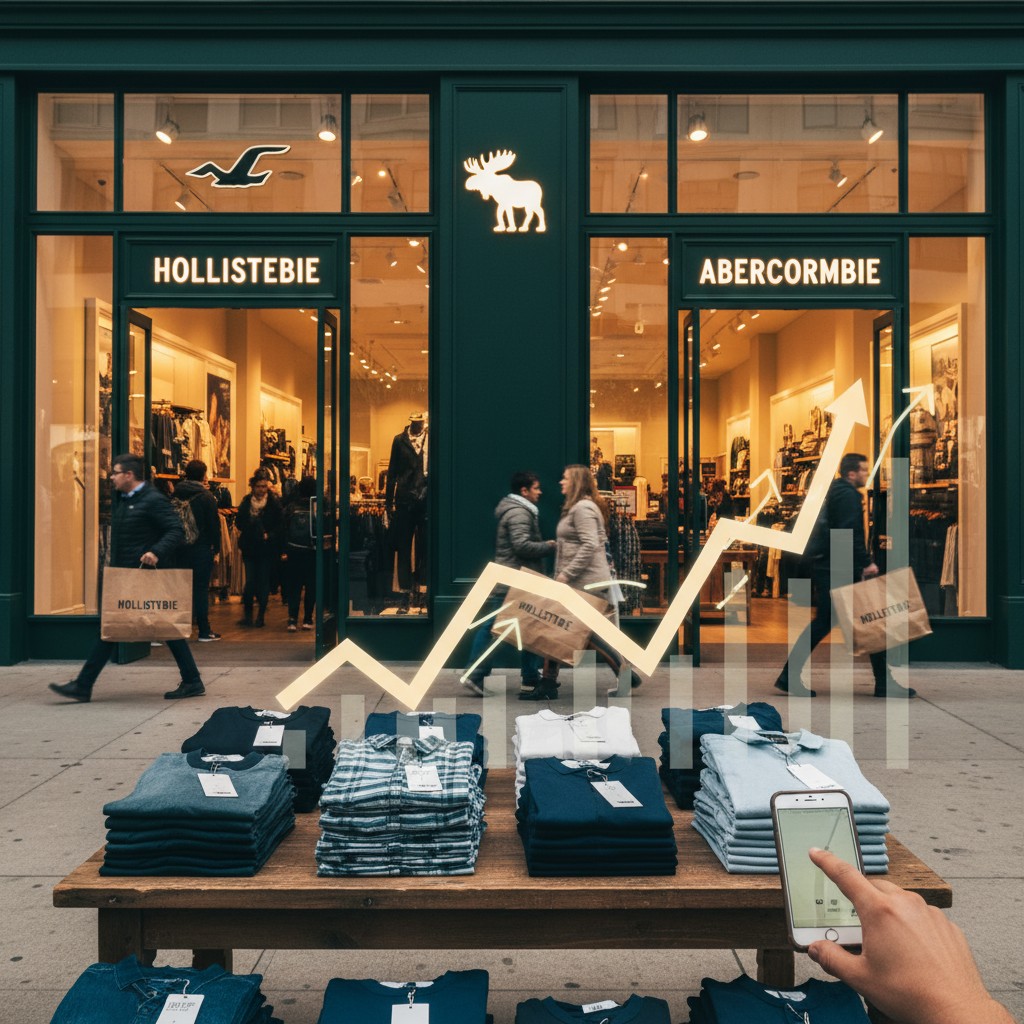
นักช้อปอเมริกันยังคงใช้จ่าย แต่เปลี่ยนพฤติกรรมอย่างมีนัยสำคัญ: หันหาแบรนด์พรีเมียมและร้านค้าปลีกที่เน้นคุณค่า ขณะที่ห้างสรรพสินค้าทั่วไปเริ่มแผ่วลง
รายงานผลประกอบการล่าสุดจากยักษ์ใหญ่ค้าปลีกสหรัฐฯ ก่อนช่วงเทศกาลช้อปปิงช่วงปลายปีและต่อเนื่องถึงไตรมาสแรกของปีงบการเงิน 2026 สะท้อนภาพที่ชัดเจนว่า “ผู้บริโภคอเมริกันยังมีกำลังซื้อ แต่เลือกใช้จ่ายอย่างชาญฉลาดและระมัดระวังมากขึ้น” (Selective Spending) ข้อมูลจาก Abercrombie & Fitch, Costco Wholesale และ Bath & Body Works ชี้ให้เห็นถึงจุดแข็งของแบรนด์ที่สามารถสร้าง “ความต้องการพิเศษ” (Premium Demand) และ “ความคุ้มค่า” (Value Proposition) ขณะที่ Target และ Best Buy ประสบปัญหาจากการบริหารสินค้าคงคลังและภาวะแวดล้อมมหภาคที่ท้าทาย เช่น ความไม่แน่นอนของภาษีศุลกากร
ประเด็นวิเคราะห์เชิงลึกสำหรับนักลงทุน: เกมการลงทุนในหุ้นค้าปลีกยุคใหม่
- จุดเปลี่ยนของ “Premiumization” (การยกระดับแบรนด์)
- Abercrombie & Fitch (ANF) ทำสถิติรายได้ไตรมาสแรกสูงสุดเป็นประวัติการณ์ติดต่อกัน 14 ไตรมาส แสดงให้เห็นถึงความสำเร็จของกลยุทธ์ “Turnaround” ที่เปลี่ยนจากแบรนด์เสื้อผ้าวัยรุ่นมาเป็นแบรนด์ไลฟ์สไตล์พรีเมียม (ผ่าน Abercrombie Brands และ Hollister) สิ่งนี้บ่งชี้ว่า ผู้บริโภค โดยเฉพาะ Gen Z และ Millennials พร้อมจ่ายเงินเพิ่มเพื่อซื้อประสบการณ์และคุณภาพที่เหนือกว่า แม้ในภาวะเศรษฐกิจชะลอตัว
-
ข้อควรระวัง: ตลาด EMEA ของ ANF เริ่มอ่อนตัวลงจากความขัดแย้งทางภูมิรัฐศาสตร์ สะท้อนว่าความเสี่ยงด้านภูมิศาสตร์ยังคงเป็นปัจจัยกดดัน
-
“Value Retail” กำลังเฟื่องฟูในยุคภาษีศุลกากร
- Costco (COST) เป็นตัวอย่างของ “Safe Haven” ในภาคค้าปลีก ผลประกอบการที่แข็งแกร่งแม้มีความไม่แน่นอนทางภาษี สะท้อนถึง “สมาชิกที่เหนียวแน่น” (High Member Loyalty) และโมเดลธุรกิจที่เน้นคุณค่า (Value Model) ช่วยให้ผู้บริโภคลดความกังวลเรื่องราคาสินค้าที่พุ่งสูงขึ้นเนื่องจากภาษีนำเข้า
-
นักลงทุนควรจับตาดู “แนวโน้มการซื้อเพื่อกักตุน” (Pantry Loading) หากภาษีศุลกากรทวีความรุนแรงขึ้น อาจส่งผลให้ยอดขายของ Costco พุ่งสูงผิดปกติในระยะสั้น
-
Bath & Body Works และการฟื้นตัวของ “Affordable Luxury” (ความหรูหราราคาย่อมเยา)
- การคาดการณ์ยอดขายที่ลดลงน้อยกว่าคาด (Smaller Drop) ในช่วงเทศกาลช้อปปิงบ่งชี้ว่า “ของขวัญราคาจับต้องได้” (Giftable items) และสินค้าประเภท “Self-Care” ยังคงเป็นหมวดหมู่ที่ผู้บริโภคยินดีจ่าย เนื่องจากเป็นค่าใช้จ่ายที่ให้ความสุขทางใจ (Mood-Boosting) ในราคาที่ไม่สูงเกินไป
-
จุดน่าสนใจ: อัตรากำไรของ BBWI มีแนวโน้มดีขึ้นจากต้นทุนวัตถุดิบที่ลดลงและประสิทธิภาพในการบริหารสินค้าคงคลัง
-
Target และ Best Buy สัญญาณเตือนของ “การบริหารจัดการที่ผิดพลาด”
- Target (TGT) ประสบปัญหาสินค้าขาดสต็อกบนชั้นวาง แม้ของจะมีอยู่ในห้องเก็บของ (Back Room) ชี้ให้เห็นถึงปัญหาเชิงปฏิบัติการ (Operational Execution) ที่รุนแรง ซึ่งเป็นปัจจัยลบที่ควบคุมได้
- Best Buy (BBY) ที่รายงานยอดขายช่วงเทศกาลช้อปปิงลดลง สะท้อนว่าผู้บริโภคชะลอการซื้อสินค้าอิเล็กทรอนิกส์ราคาสูง (Discretionary Big-Ticket Items) และรอโปรโมชั่นหรือเทคโนโลยีรุ่นใหม่
กลยุทธ์การบริหารความมั่งคั่งส่วนบุคคลในยุคนี้
- การจัดพอร์ตลงทุน: แนะนำให้แยกประเภทการลงทุนในหุ้นค้าปลีกออกเป็น 2 กลุ่มชัดเจน ได้แก่ (1) กลุ่ม “Premium Value” (COST, ANF) ที่มีแนวโน้ม outperformance ในภาวะเงินเฟ้อและอัตราดอกเบี้ยสูง และ (2) กลุ่ม “Margin Pressure” (TGT, BBY) ที่ต้องระมัดระวังเรื่องการบริหารต้นทุนและสต็อก
- การติดตามข้อมูลแมโคร: นักลงทุนควรติดตามดัชนีความเชื่อมั่นผู้บริโภค (Consumer Confidence Index) และข้อมูลการใช้จ่ายส่วนบุคคล (PCE) อย่างใกล้ชิดในไตรมาสที่ 2-3 เพื่อประเมินทิศทางกำลังซื้อของชาวอเมริกัน
ปัจจัยเสี่ยงที่ต้องจับตา
- ความไม่แน่นอนของภาษีศุลกากร (Tariff Uncertainty): ผลกระทบจากนโยบายการค้าของทรัมป์ยังคงเป็นความเสี่ยงใหญ่ที่อาจทำให้ต้นทุนสินค้านำเข้าพุ่งสูง ส่งผลกระทบโดยตรงต่ออัตรากำไรของ Target, Best Buy และแม้แต่ Costco
- พฤติกรรมการใช้จ่ายที่แบ่งขั้ว (Diverging Spending): ข้อมูลจาก YouGov ชี้ว่า ผู้ที่คาดว่าฐานะการเงินจะแย่ลง (45%) ตัดสินใจไม่เพิ่มการใช้จ่ายเลย ขณะที่ผู้ที่มองโลกในแง่ดีกลับเพิ่มการใช้จ่ายในหมวดท่องเที่ยว (21%) และอาหาร (22%) ความแตกต่างนี้จะสร้างความท้าทายอย่างมากให้กับนักวิเคราะห์ในการคาดการณ์แนวโน้มทั้งภาพรวม
ภาพรวมผลประกอบการสำคัญ
- Abercrombie & Fitch (ANF): รายได้ไตรมาส 1 สูงสุดเป็นประวัติการณ์, EBITDA สูงเกินคาด, การเติบโตของยอดขายในอเมริกาแกร่ง, แต่ EMEA เริ่มอ่อนตัว
- Costco (COST): ยอดขายผสม (Mixed results) แต่สมาชิกยังคงภักดีสูง, แนวโน้มดีจากกลุ่มผู้บริโภคที่มองหาคุณค่า
- Bath & Body Works (BBWI): คาดการณ์ยอดขายลดลงน้อยลง, อัตรากำไรมีแนวโน้มดีขึ้นจากต้นทุนที่ลดลง
- Target (TGT): ปัญหาสินค้าขาดสต็อกชัดเจน, ยอดขายช่วงเทศกาลต่ำกว่าคาด
- Best Buy (BBY): ยอดขายสินค้าอิเล็กทรอนิกส์ช่วงเทศกาลซบเซา, ผู้บริโภคชะลอการซื้อ
- Kroger (KR): รายงานผลประกอบการเร็วๆ นี้, แต่แนวโน้มตลาดยังไม่ชัดเจน
Full English Translation
U.S. consumers are still spending, but they are shifting behavior significantly: turning to premium brands and value-oriented retailers, while general department stores are showing signs of weakness.
Recent earnings reports from major U.S. retailers ahead of the late-year holiday shopping season and into the first quarter of fiscal 2026 paint a clear picture: “American consumers still have purchasing power, but they are spending more smartly and cautiously (Selective Spending).” Data from Abercrombie & Fitch, Costco Wholesale, and Bath & Body Works highlight the strength of brands that can create “Premium Demand” and “Value Proposition,” while Target and Best Buy face challenges from inventory management issues and a tough macroeconomic environment, such as tariff uncertainty.
Deep Analysis for Investors: The New Game of Retail Stock Investment
- The “Premiumization” Turning Point
- Abercrombie & Fitch (ANF) achieved record first-quarter net sales for the 14th consecutive quarter, demonstrating the success of its turnaround strategy from a teen clothing brand to a premium lifestyle brand (via Abercrombie Brands and Hollister). This indicates that consumers, especially Gen Z and Millennials, are willing to pay more for superior quality and experience, even in a slowing economy.
-
Caveat: ANF’s EMEA market is beginning to soften due to geopolitical conflicts, reflecting geopolitical risk as a persistent pressure factor.
-
“Value Retail” is Thriving in the Tariff Era
- Costco (COST) serves as a “Safe Haven” in the retail sector. Strong earnings results despite tariff uncertainty reflect “High Member Loyalty” and a business model focused on value, helping consumers mitigate concerns over price hikes due to import tariffs.
-
Investors should monitor the “Pantry Loading” trend. If tariffs intensify, it could temporarily drive a surge in Costco’s sales.
-
Bath & Body Works and the Recovery of “Affordable Luxury”
- The forecast for a smaller-than-expected sales drop during the holiday season indicates that “Giftable items” and “Self-Care” categories remain areas consumers are willing to spend on, as they provide emotional satisfaction (Mood-Boosting) at a reasonable price.
-
Key Point: BBWI’s margins are likely to improve due to lower raw material costs and better inventory management efficiency.
-
Target and Best Buy: Warning Signs of “Poor Management”
- Target (TGT) experienced stockouts on shelves despite inventory in the back room, pointing to severe operational execution issues, a controllable negative factor.
- Best Buy (BBY), reporting lower holiday sales, reflects consumers delaying big-ticket discretionary electronics purchases and waiting for promotions or new technology.
Personal Wealth Management Strategy in This Era
- Portfolio Allocation: It is recommended to clearly separate retail stock investments into two groups: (1) “Premium Value” group (COST, ANF) which tends to outperform in high-inflation and high-interest-rate environments, and (2) “Margin Pressure” group (TGT, BBY) where caution is needed regarding cost and inventory management.
- Macro Data Monitoring: Investors should closely track the Consumer Confidence Index and Personal Consumption Expenditures (PCE) data in Q2 and Q3 to gauge the direction of American purchasing power.
Risk Factors to Monitor
- Tariff Uncertainty: The impact of Trump’s trade policies remains a major risk that could drive up import costs, directly affecting the margins of Target, Best Buy, and even Costco.
- Diverging Spending Behavior: Data from YouGov shows that 45% of those expecting their finances to worsen decided not to increase spending at all, while optimists increased spending in travel (21%) and groceries (22%). This divergence will create significant challenges for analysts in forecasting overall trends.
Key Earnings Overview
- Abercrombie & Fitch (ANF): Record Q1 revenue, EBITDA above expectations, strong sales growth in the Americas, but EMEA softening.
- Costco (COST): Mixed results, but membership loyalty remains high, positive trend from value-seeking consumers.
- Bath & Body Works (BBWI): Smaller predicted sales decline, improving margins from lower costs.
- Target (TGT): Clear stockout issues, holiday sales below expectations.
- Best Buy (BBY): Sluggish holiday electronics sales, consumers delaying purchases.
- Kroger (KR): Earnings report coming soon, market trend still unclear.
Citation Link
Marketplace.org: Reports from retailers offer insights into American consumers


Leave a Reply