

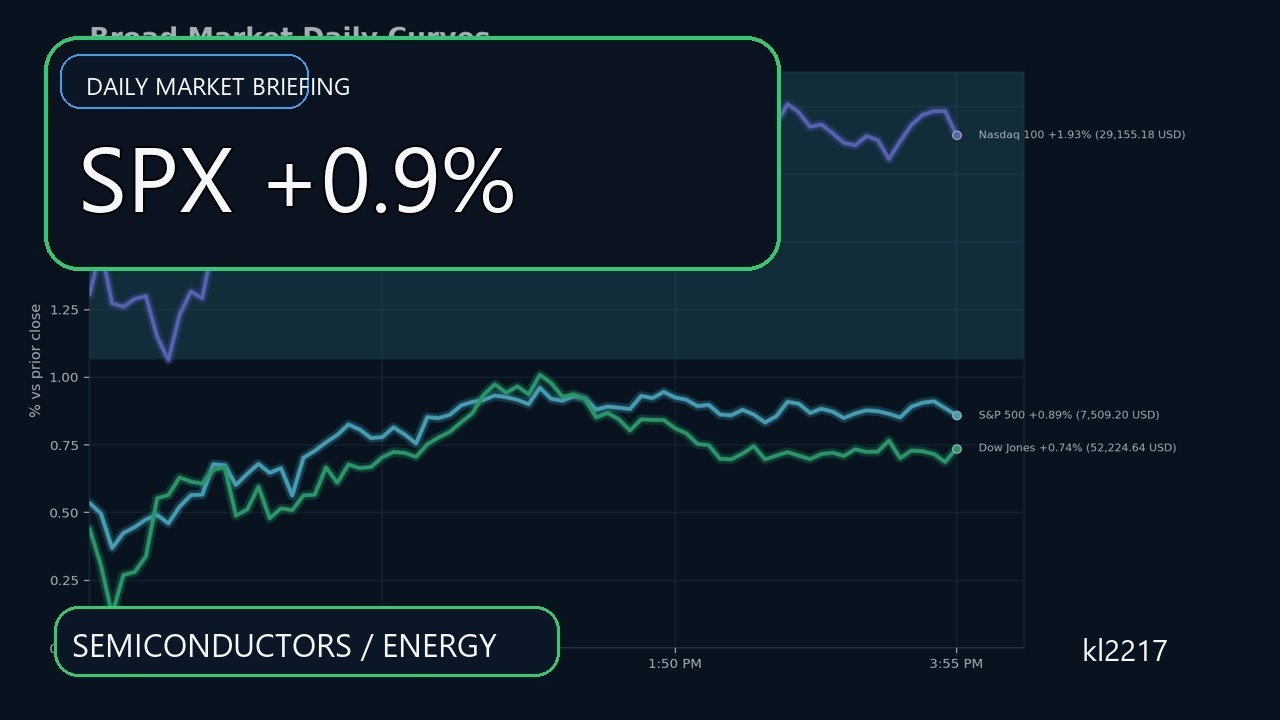
สถานการณ์ความขัดแย้งระหว่างสหรัฐฯ และอิหร่านที่กลับมารุนแรงอีกครั้ง สร้างความกังวลให้กับนักลงทุนทั่วโลก แม้ตลาดหุ้นสหรัฐฯ จะยังคงปรับตัวไม่มากนัก แต่ผลกระทบทางเศรษฐกิจที่อาจเกิดขึ้นนั้นมีหลายมิติ ซึ่งนักลงทุนไทยจำเป็นต้องติดตามอย่างใกล้ชิด
- ผลกระทบต่อราคาพลังงาน: ราคาน้ำมันดิบมีแนวโน้มปรับตัวสูงขึ้น ส่งผลกระทบโดยตรงต่อต้นทุนการขนส่งและภาคการผลิตในไทย ซึ่งพึ่งพาการนำเข้าน้ำมันเป็นหลัก
- เงินเฟ้อและนโยบายการเงิน: การปรับตัวขึ้นของราคาพลังงานจะกดดันเงินเฟ้อให้สูงขึ้น ทำให้ธนาคารกลางทั่วโลก รวมถึงธนาคารแห่งประเทศไทย อาจต้องชะลอการลดดอกเบี้ย หรืออาจต้องคงอัตราดอกเบี้ยไว้นานขึ้น
- ผลกระทบต่อกลุ่มธุรกิจในตลาดหุ้นไทย:
- กลุ่มพลังงาน: ได้อานิสงส์จากราคาน้ำมันที่สูงขึ้นในระยะสั้น
- กลุ่มขนส่งและโลจิสติกส์: ต้นทุนเชื้อเพลิงสูงขึ้น กดดันอัตรากำไร
- กลุ่มค้าปลีกและสินค้าอุปโภคบริโภค: กำลังซื้อผู้บริโภคอาจชะลอตัวจากเงินเฟ้อ
- กลยุทธ์การลงทุน: นักลงทุนควรพิจารณาการปรับพอร์ตให้สมดุล โดยเพิ่มน้ำหนักในกลุ่มที่มีความเสี่ยงต่ำจากราคาพลังงาน เช่น กลุ่มเทคโนโลยีและสุขภาพ
- มุมมองผู้เชี่ยวชาญ: นักวิเคราะห์จาก Morgan Stanley และ HBKS Wealth ระบุว่าความขัดแย้งนี้อาจส่งผลให้ราคาอาหารโลกปรับตัวขึ้นราว 6% ในปี 2026 และกระทบต่อผลผลิตทางการเกษตรในปีถัดไป
คำถามที่พบบ่อย
English Translation:
The renewed escalation of conflict between the U.S. and Iran is causing concern among global investors. Although the U.S. stock market has not reacted significantly, the potential economic impacts are multi-dimensional and require close monitoring by Thai investors.
- Impact on Energy Prices: Crude oil prices are likely to rise, directly affecting transportation costs and the manufacturing sector in Thailand, which relies heavily on oil imports.
- Inflation and Monetary Policy: Higher energy prices will put upward pressure on inflation, causing central banks, including the Bank of Thailand, to potentially delay interest rate cuts or maintain higher rates for longer.
- Impact on Thai Stock Market Sectors:
- Energy Sector: Benefits from higher oil prices in the short term.
- Transportation & Logistics: Higher fuel costs pressure profit margins.
- Retail & Consumer Goods: Consumer purchasing power may slow due to inflation.
- Investment Strategy: Investors should consider portfolio rebalancing by increasing exposure to sectors less sensitive to energy prices, such as technology and healthcare.
- Expert Insights: Analysts from Morgan Stanley and HBKS Wealth indicate that the conflict could lead to a 6% rise in global food prices in 2026 and impact agricultural output the following year.
Citation:
Source: CNBC – As the U.S.-Iran war heats up again, these parts of the stock market and economy could be affected


Leave a Reply