

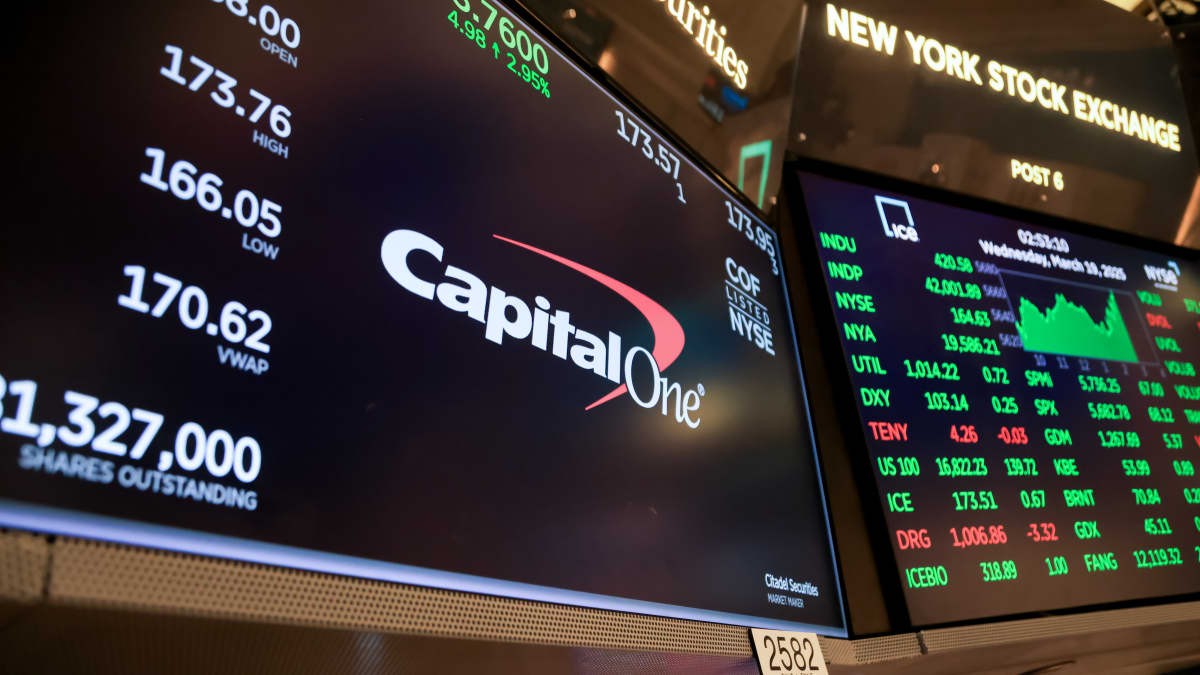
การเข้าซื้อ Discover ของ Capital One กับความท้าทายที่ต้องพิสูจน์ก่อนปี 2027
ในช่วงที่ผ่านมา Capital One ได้ทุ่มเงินกว่า 35,000 ล้านดอลลาร์เพื่อควบรวมกิจการกับ Discover Financial Services ซึ่งเป็นการเดิมพันครั้งใหญ่ที่เปลี่ยนโฉมหน้าตลาดบัตรเครดิตและการชำระเงินของสหรัฐฯ ทันที โดยคาดว่าการรวมธุรกิจนี้จะทำให้ Capital One กลายเป็นผู้ให้กู้บัตรเครดิตที่ใหญ่ที่สุดในสหรัฐอเมริกา แซงหน้า J.P. Morgan ด้วยพอร์ตสินเชื่อบัตรเครดิตที่พุ่งสูงถึงประมาณ 270,000 ล้านดอลลาร์
จากมุมมองของนักลงทุน นี่ไม่ใช่แค่การซื้อกิจการธรรมดา แต่เป็นการสร้าง “Holy Grail” ทางการเงินที่ผู้ก่อตั้ง Capital One ฝันถึงมาตลอด นั่นคือการเป็นทั้งผู้ออกบัตร (Issuer) และเจ้าของเครือข่ายการชำระเงิน (Network) ไปพร้อมกัน ซึ่งจะช่วยให้บริษัทสามารถเก็บค่าธรรมเนียมจาก merchant ได้โดยตรงโดยไม่ต้องผ่าน Visa หรือ Mastercard
ประเด็นวิเคราะห์เชิงลึกสำหรับนักลงทุน
-
ความคุ้มค่าที่ต้องพิสูจน์: ภายในปี 2027 Capital One ต้องแสดงให้เห็นว่าการเดิมพันนี้สร้างมูลค่าที่ยั่งยืน ไม่ใช่แค่ขนาดที่ใหญ่ขึ้น โดยต้องมีการเติบโตของ EPS และรายได้ที่สอดคล้องกับเป้าหมาย 15%+ ที่ผู้บริหารให้ไว้ โดยไม่ต้องมี credit loss ที่สูงเกินสัดส่วน
-
Synergy ที่จับต้องได้: คาดการณ์ว่า Capital One จะประหยัดต้นทุนจากการดำเนินงาน (Expense Synergies) ประมาณ 1,500 ล้านดอลลาร์ และมี synergies ด้านเครือข่าย (Network-related Synergies) อีกประมาณ 1,200 ล้านดอลลาร์ ภายในปี 2027 ซึ่งจะหนุนให้ adjusted EPS เพิ่มขึ้นกว่า 15% โดยมี CET1 Ratio ใกล้ 14% ณ วันปิดดีล
-
ข้อได้เปรียบจาก Durbin Amendment: การเป็นเจ้าของเครือข่าย Discover ทำให้ Capital One ได้รับการยกเว้นจากข้อจำกัดของ Durbin Amendment ที่จำกัดค่าธรรมเนียมที่ Visa และ Mastercard เรียกเก็บจาก merchants สำหรับการทำธุรกรรม debit card ซึ่งเป็นช่องว่างทางกฎหมายที่ช่วยเพิ่มรายได้จากค่าธรรมเนียม (Interchange & Discount Fees) ได้อย่างมีนัยสำคัญ โดยในปัจจุบันรายได้ส่วนนี้เพิ่มขึ้นแล้วประมาณ 21% เป็น 1.5 พันล้านดอลลาร์
-
ความเสี่ยงด้านเครดิตและเศรษฐกิจรูปตัว K: การรวมพอร์ตสินเชื่อครั้งใหญ่นี้มาพร้อมกับความเสี่ยงที่เพิ่มขึ้น โดยเฉพาะในภาวะเศรษฐกิจที่อาจเกิด “K-shaped Recovery” ซึ่งคนรวยจะรวยขึ้นและคนจนจะเดือดร้อนหนักขึ้น ส่งผลให้ Credit Loss อาจเพิ่มสูงขึ้นและกระทบผลตอบแทนโดยรวม
-
การย้ายระบบและความเสี่ยงด้านกฎระเบียบ: ความสำเร็จของดีลนี้ขึ้นอยู่กับการย้ายระบบบัตรและระบบไอทีของ Discover ให้เข้ากับ Capital One โดยต้องไม่มีเหตุการณ์ที่สร้างความเสียหายให้กับลูกค้า หรือถูก CFPB (Consumer Financial Protection Bureau) สั่งปรับหรือดำเนินการทางกฎหมาย ซึ่งอาจทำให้ synergy ที่คาดไว้ลดลง
หากบทความนี้มีประโยชน์ อย่าลืมแชร์ต่อให้เพื่อนๆ นักลงทุนของคุณอ่านด้วยนะคะ!
Full English Translation
Capital One’s $35 Billion Bet on Discover: The Real Test Before 2027
Capital One’s $35 billion acquisition of Discover has already reshaped the U.S. card and payments landscape, but the real test of whether the gamble pays off will come as integration ramps up through 2026–2027, especially for credit quality, network economics, and regulatory scrutiny. This merger makes Capital One the largest credit card lender in the U.S., surpassing J.P. Morgan with a combined credit card loan portfolio of approximately $270 billion. From an investor’s perspective, this is not just a simple acquisition but the creation of a “Holy Grail” that Capital One’s founder has always dreamed of: being both a card issuer and a payment network owner, allowing the company to collect merchant fees directly without going through Visa or Mastercard.
Key Analysis for Investors
- Value to Prove: By 2027, Capital One must demonstrate that this bet creates sustainable value, not just scale. This requires EPS and revenue growth in line with the 15%+ target promised by management, without disproportionate credit losses.
- Tangible Synergies: Expected expense synergies of approximately $1.5 billion and network-related synergies of around $1.2 billion by 2027, supporting a 15%+ increase in adjusted EPS with a CET1 ratio near 14% at closing.
- Durbin Amendment Advantage: Owning the Discover network exempts Capital One from the Durbin Amendment’s restrictions on debit card transaction fees, a regulatory loophole that significantly boosts interchange and discount fee revenue, which has already risen by ~21% to $1.5 billion.
- Credit and K-Shaped Economy Risk: The massive combined loan portfolio increases credit risk, especially in a potential “K-shaped recovery” where lower-income consumers struggle, potentially leading to higher credit losses.
- System Migration and Regulatory Risk: Success depends on seamless card and IT system migration without customer harm or major CFPB enforcement actions, which could erode expected synergies.
Citation
- Source: https://www.creditandcollectionnews.com/capital-ones-big-bet-on-discover


Leave a Reply