

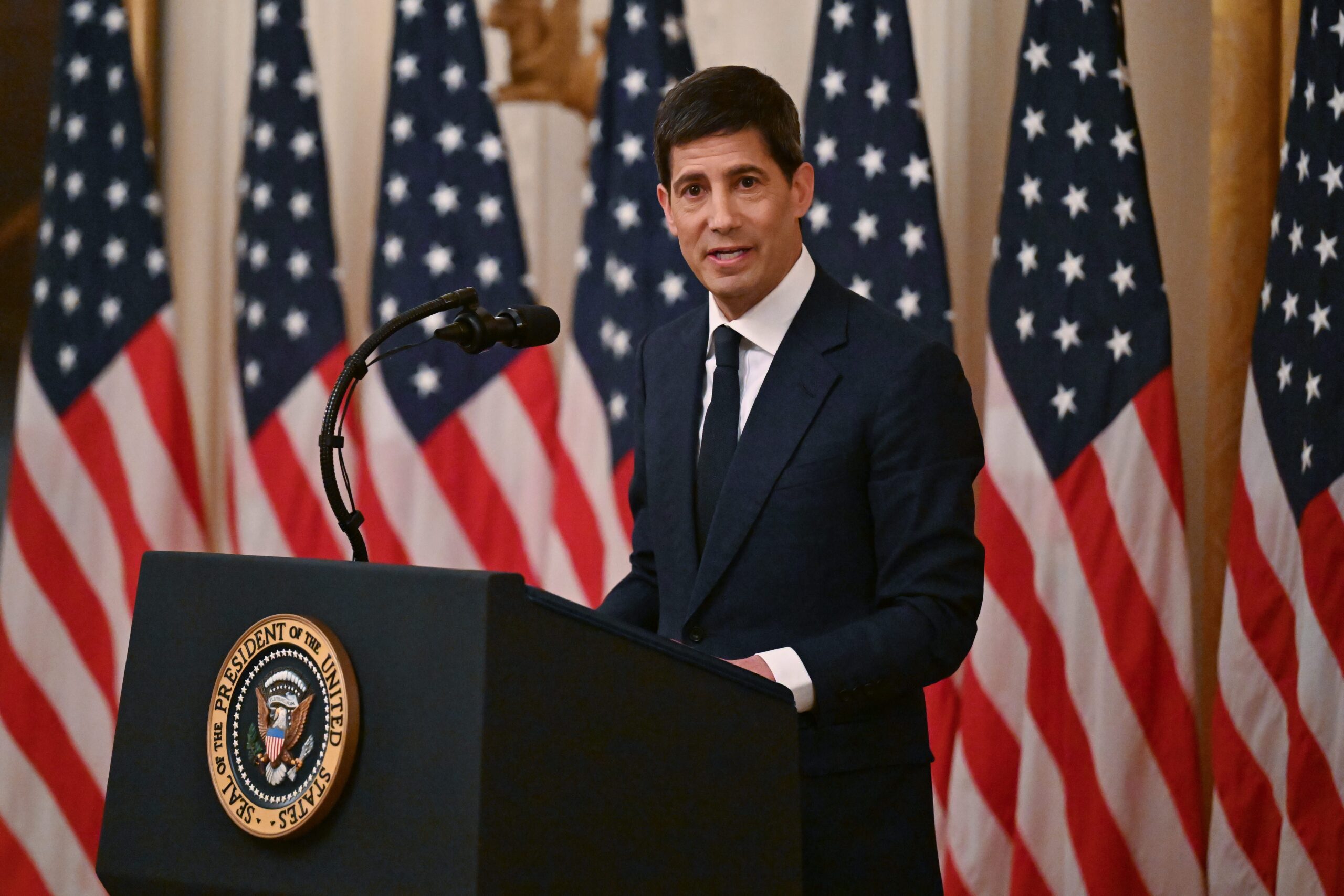
การกลับมาของ Kevin Warsh สู่ตำแหน่งประธานธนาคารกลางสหรัฐฯ (Fed) ไม่ใช่แค่การเปลี่ยนตัวบุคคล แต่คือการปฏิวัติระบบการเงินที่ซ่อนอยู่ใต้พื้นผิวของวอลล์สตรีท การเปลี่ยนแปลงนี้จะกระทบต่อกลไกการแทรกแซงตลาดที่ Fed สะสมมาเกือบสองทศวรรษ รวมถึงนโยบายการเงินมหภาคและสภาพคล่องในระบบ
การวิเคราะห์เชิงลึกในมุมมองนักลงทุน
การเปลี่ยนแปลงที่แท้จริงของ Warsh ไม่ได้อยู่ที่การปรับลดดอกเบี้ย แต่คือการปรับโครงสร้าง “ระบบท่อประปา” ทางการเงินของสหรัฐฯ ซึ่งหมายถึงการลดบทบาทของ Fed ในตลาดเงินรายวัน และการตั้งกฎเกณฑ์ที่ชัดเจนสำหรับการแทรกแซงในยามวิกฤต นี่คือประเด็นสำคัญที่นักลงทุนต้องจับตา
- การยุติ Forward Guidance แบบเดิม: Warsh มีแนวโน้มจะยกเลิกการใช้ “Dot Plot” และการคาดการณ์อัตราดอกเบี้ยล่วงหน้า ซึ่งเป็นเครื่องมือที่ทำให้ Fed ตกอยู่ในกรอบข้อจำกัดที่ไม่จำเป็น การเปลี่ยนแปลงนี้จะเพิ่มความผันผวนในระยะสั้น แต่จะช่วยลดความเสี่ยงจากนโยบายที่ผิดพลาดในระยะยาว
- การลดขนาดงบดุล (Balance Sheet Normalization): การลดบทบาทของ Fed ในการซื้อพันธบัตรและสินทรัพย์เสี่ยงครั้งใหญ่ จะส่งผลให้สภาพคล่องในตลาดพันธบัตรตึงตัวขึ้น และอาจทำให้ผลตอบแทนพันธบัตรอายุยาวปรับตัวสูงขึ้นตามกลไกตลาดที่แท้จริง
- การปรับปรุงการสื่อสาร: การลดความถี่ของสุนทรพจน์จากประธานธนาคารกลางสาขา (Reserve Bank Presidents) และการควบคุมข้อความให้เป็นหนึ่งเดียว จะช่วยลดความสับสนในตลาด แต่ในขณะเดียวกันก็จะลดโอกาสในการเก็งกำไรจากความแตกต่างของความคิดเห็น
- การสร้าง “Backseat Fed”: Treasury Secretary Bessent และ Warsh มีแนวคิดตรงกันในการทำให้ Fed กลับไปมีบทบาทแบบ “ผู้คุมกฎ” แทนที่จะเป็น “ผู้เล่นหลัก” ในตลาด ซึ่งหมายถึงการปล่อยให้ตลาดทำงานได้อย่างอิสระมากขึ้น
ข้อแนะนำเชิงกลยุทธ์
– ด้านพันธบัตร: จับตาการปรับตัวขึ้นของ Bond Yield โดยเฉพาะในส่วนยาว เนื่องจากการลดขนาดงบดุลอาจทำให้ Demand ลดลง
– ด้านคริปโตเคอร์เรนซี: การลดบทบาทของ Fed อาจช่วยลดแรงกดดันจากนโยบายการเงินที่เข้มงวด และทำให้สินทรัพย์ดิจิทัลกลับมาเป็นที่สนใจในฐานะเครื่องมือป้องกันความเสี่ยงจากระบบการเงินแบบดั้งเดิม
– ด้านตลาดหุ้น: การเปลี่ยนแปลงนโยบายการสื่อสารของ Fed อาจสร้างความผันผวนระยะสั้น แต่ในระยะยาว การมีกฎเกณฑ์ที่ชัดเจนจะเป็นผลดีต่อตลาดทุน
Full English Translation
It is time for a major overhaul of the U.S. Federal Reserve. The global financial game is changing. The return of Kevin Warsh to the Fed chairmanship is not just a change of personnel; it is a revolution of the financial plumbing hidden beneath the surface of Wall Street. This change will impact the intervention mechanisms the Fed has accumulated for nearly two decades, including monetary policy and system liquidity.
Deep Analysis from an Investor’s Perspective
Warsh’s real change is not about cutting interest rates, but restructuring the “financial plumbing” of the U.S., which means reducing the Fed’s role in daily money markets and setting clear rules for crisis intervention. This is the key issue investors must watch.
- Ending Traditional Forward Guidance: Warsh is likely to abandon the “Dot Plot” and interest rate forward guidance, tools that trap the Fed in unnecessary constraints. This change will increase short-term volatility but reduce the risk of policy errors in the long run.
- Balance Sheet Normalization: Reducing the Fed’s role in buying bonds and risky assets will tighten liquidity in the bond market and may naturally push long-term bond yields higher based on market mechanisms.
- Improved Communication: Reducing the frequency of speeches from Reserve Bank Presidents and unifying messaging will reduce market confusion, while also lowering opportunities for speculation based on diverging opinions.
- Creating a “Backseat Fed”: Treasury Secretary Bessent and Warsh share the vision of making the Fed return to a “rule-setter” role rather than a “primary player” in the market, meaning allowing the market to operate more freely.
Strategic Recommendations
– For Bonds: Watch for a rise in Bond Yields, especially on the long end, as balance sheet reduction may decrease demand.
– For Cryptocurrency: A reduced Fed role could alleviate pressure from tight monetary policy, making digital assets attractive again as a hedge against traditional financial system risks.
– For Stocks: The change in Fed communication policy may create short-term volatility, but in the long run, clear rules will benefit capital markets.
Citation Link
Source: CNBC – Kevin Warsh’s real Fed ‘regime change’ may happen deep inside Wall Street’s plumbing
FAQs


Leave a Reply