

บทนำ
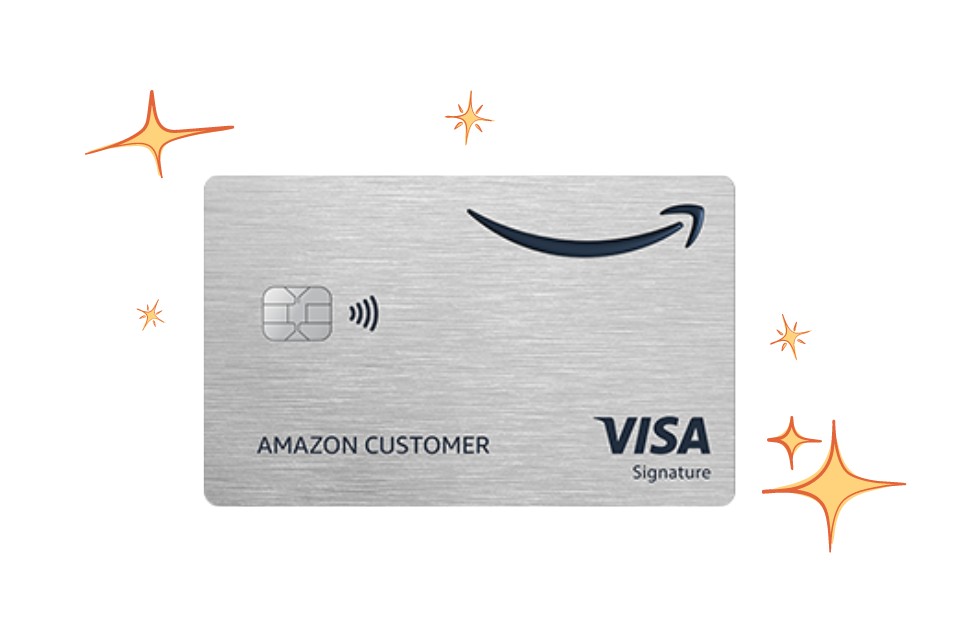
ในโลกที่ค่าใช้จ่ายในชีวิตประจำวันเพิ่มสูงขึ้น โดยเฉพาะการใช้จ่ายผ่านแพลตฟอร์มออนไลน์อย่าง Amazon การเลือกบัตรเครดิตที่ให้ผลตอบแทนคุ้มค่ากลายเป็นกลยุทธ์สำคัญในการบริหารเงินส่วนบุคคล บทความนี้จะวิเคราะห์เชิงลึกถึงบัตร Amazon Visa ซึ่งเป็นทางเลือกที่ชาญฉลาดสำหรับผู้ที่ไม่ต้องการผูกมัดกับสมาชิก Prime แต่ยังคงต้องการรับสิทธิประโยชน์ในการช้อปปิ้งและการเดินทาง
วิเคราะห์เชิงลึก: มุมมองนักลงทุนและผู้เชี่ยวชาญทางการเงิน
อะไรที่ทำให้บัตรนี้แตกต่างสำหรับนักบริหารเงิน?
บัตร Amazon Visa ออกโดย Chase ถือเป็นเครื่องมือทางการเงินที่ออกแบบมาเพื่อสร้างความคล่องตัวให้กับพอร์ตการออม โดยเฉพาะอย่างยิ่งสำหรับกลุ่มผู้บริโภคที่ใช้จ่ายผ่านระบบนิเวศของ Amazon เป็นประจำ แต่ยังไม่แน่ใจว่าค่าสมาชิก Prime (ประมาณ 139 ดอลลาร์สหรัฐต่อปี) คุ้มค่ากับการใช้จ่ายของตนหรือไม่
จุดเด่นเชิงกลยุทธ์:
1. ไม่มีค่าธรรมเนียมรายปี (No Annual Fee): จุดนี้เป็นกำไรทันทีเมื่อเทียบกับบัตรที่ต้องเสียค่าสมาชิก ซึ่งช่วยลดต้นทุนคงที่ในการถือครองบัตร
2. อัตรา Cashback 3% สำหรับหมวดหมู่หลัก: ครอบคลุม Amazon.com, Amazon Fresh, และ Whole Foods Market ซึ่งเป็นหมวดหมู่ที่ผู้ใช้ Amazon มักมียอดใช้จ่ายสูงสุด การได้เงินคืน 3% โดยไม่ต้องเสียค่าสมาชิก Prime หมายถึงอัตราผลตอบแทนสุทธิ (Net Yield) ที่สูงกว่าการถือบัตร Prime Visa หากคุณใช้จ่ายใน Amazon ไม่ถึงจุดคุ้มทุนของค่าสมาชิกรายปี
3. ไม่มีค่าธรรมเนียมธุรกรรมต่างประเทศ (No Foreign Transaction Fees): ฟีเจอร์นี้มีมูลค่าสูงสำหรับนักเดินทางหรือผู้ที่ซื้อสินค้าจากผู้ขายต่างประเทศ โดยปกติบัตรเครดิตทั่วไปจะคิดค่าธรรมเนียม 3% ซึ่งเท่ากับการประหยัดต้นทุนได้ทันที
การวิเคราะห์จุดคุ้มทุน (Break-Even Analysis):
ลองคำนวณอย่างง่าย: หากคุณไม่เป็นสมาชิก Prime และใช้จ่ายที่ Amazon และ Whole Foods ปีละ 1,500 ดอลลาร์สหรัฐ คุณจะได้รับ Cashback 45 ดอลลาร์สหรัฐ (1,500 x 3%) หากคุณสมัคร Prime (เสียค่าสมาชิก 139 ดอลลาร์สหรัฐ) และใช้ Prime Visa คุณจะได้ Cashback 75 ดอลลาร์สหรัฐ (1,500 x 5%) สรุปแล้วคุณจะขาดทุนสุทธิถึง -64 ดอลลาร์สหรัฐ (75 – 139 = -64) เมื่อเทียบกับการได้กำไร 45 ดอลลาร์สหรัฐจากการใช้ Amazon Visa ดังนั้น สำหรับผู้ใช้จ่ายต่ำกว่า 2,780 ดอลลาร์สหรัฐต่อปี (จุดคุ้มทุนโดยประมาณ: 139 / 0.02) การใช้บัตร Amazon Visa นั้นให้ผลตอบแทนทางการเงินที่เหนือกว่าอย่างชัดเจน
ข้อควรระวัง:
– อัตรา 2% สำหรับร้านอาหารและปั๊มน้ำมัน: แม้จะเป็นอัตราที่ดี แต่ก็ไม่ได้ดีเด่นกว่าบัตร Cashback ทั่วไปที่ให้ 2% หรือ 2.5% บนทุกยอดใช้จ่าย ดังนั้น ผู้บริหารเงินควรใช้บัตรนี้เป็นหลักสำหรับหมวดหมู่ 3% เท่านั้น
– ไม่มีโบนัสต้อนรับ: ต่างจากบัตรเครดิตหลายรุ่นในตลาด บัตรนี้ไม่มีโบนัสสำหรับการสมัครใหม่ ซึ่งเป็นข้อเสียเชิงเปรียบเทียบ
เกร็ดความรู้ทางการเงิน (Deep Dive):
การเลือกใช้บัตร Cashback ที่ไม่มีค่าธรรมเนียมรายปี เช่น Amazon Visa เป็นแนวคิดสอดคล้องกับ “Efficient Frontier” ในทฤษฎี Modern Portfolio Theory (MPT) นั่นคือการหาจุดที่ให้ผลตอบแทน (Cashback) สูงที่สุด โดยรับความเสี่ยง (ต้นทุนคงที่) ต่ำที่สุด สำหรับพอร์ตการใช้จ่ายในชีวิตประจำวัน (Consumer Spending Portfolio)
สรุปสาระสำคัญ
- อัตรา Cashback: 3% ที่ Amazon, Amazon Fresh, Whole Foods Market และการเดินทางผ่าน Chase Travel; 2% ที่ปั๊มน้ำมัน ร้านอาหาร และระบบขนส่งสาธารณะ; 1% สำหรับหมวดหมู่อื่นๆ
- ค่าธรรมเนียม: ไม่มีค่าธรรมเนียมรายปี และไม่มีค่าธรรมเนียมธุรกรรมต่างประเทศ
- สิทธิประโยชน์เพิ่มเติม: ความคุ้มครองการซื้อ การรับประกันเพิ่มเติม และการชดเชยสัมภาระสูญหาย
- จุดแข็ง: เป็นตัวเลือกที่ดีที่สุดสำหรับผู้ที่ไม่ใช่สมาชิก Prime โดยเฉพาะผู้ที่มียอดใช้จ่ายไม่สูงมากนักในระบบนิเวศ Amazon
คำถามที่พบบ่อย (FAQs)
Full English Translation
In a world where everyday expenses are rising, especially for online platform spending like Amazon, choosing a credit card that offers valuable returns has become a key strategy for personal financial management. This article provides an in-depth analysis of the Amazon Visa card, a smart alternative for non-Prime members who still want to benefit from shopping and travel rewards.
What makes this card different for financial managers?
The Amazon Visa card, issued by Chase, is a financial tool designed to add flexibility to a savings portfolio, particularly for consumers who spend regularly within the Amazon ecosystem but are uncertain if the $139 annual Prime membership fee justifies their spending.
Strategic Advantages:
1. No Annual Fee: This is an immediate profit compared to cards with membership fees, reducing the fixed cost of holding the card.
2. 3% Cashback on Key Categories: Covering Amazon.com, Amazon Fresh, and Whole Foods Market, which are high-spend categories for Amazon users. Earning 3% without a Prime membership means a higher net yield than holding a Prime Visa if your Amazon spending does not reach the breakeven point for the annual membership fee.
3. No Foreign Transaction Fees: This feature is highly valuable for travelers or those buying from international sellers, saving an immediate 3% on transaction fees.
Breakeven Analysis:
A simple calculation: As a non-Prime member spending $1,500 annually at Amazon and Whole Foods, you would earn $45 in cashback. If you were a Prime member paying $139 and using the Prime Visa, you would earn $75 in cashback, resulting in a net loss of -$64. Therefore, for those spending less than approximately $2,780 annually (breakeven point), the Amazon Visa card provides a superior financial return.
Caution:
– The 2% rate on dining and gas is good but not exceptional compared to general flat-rate cashback cards.
– No welcome bonus is available, which is a comparative disadvantage.
Deep Dive Insight:
Choosing a no-annual-fee cashback card like the Amazon Visa aligns with the “Efficient Frontier” concept in Modern Portfolio Theory (MPT). It seeks the highest return (Cashback) while accepting the lowest risk (fixed cost) for a consumer spending portfolio.
Key Takeaways:
– Cashback Rates: 3% at Amazon, Amazon Fresh, Whole Foods Market, and Chase Travel; 2% at gas stations, restaurants, and transit; 1% on all other purchases.
– Fees: No annual fee and no foreign transaction fees.
– Additional Benefits: Purchase protection, extended warranty, and lost luggage reimbursement.
– Strength: It is the best option for non-Prime members, especially those with moderate spending in the Amazon ecosystem.
Citation Link:
Source: https://finance.yahoo.com/personal-finance/credit-cards/review/amazon-credit-card-review-211418335.html


Leave a Reply